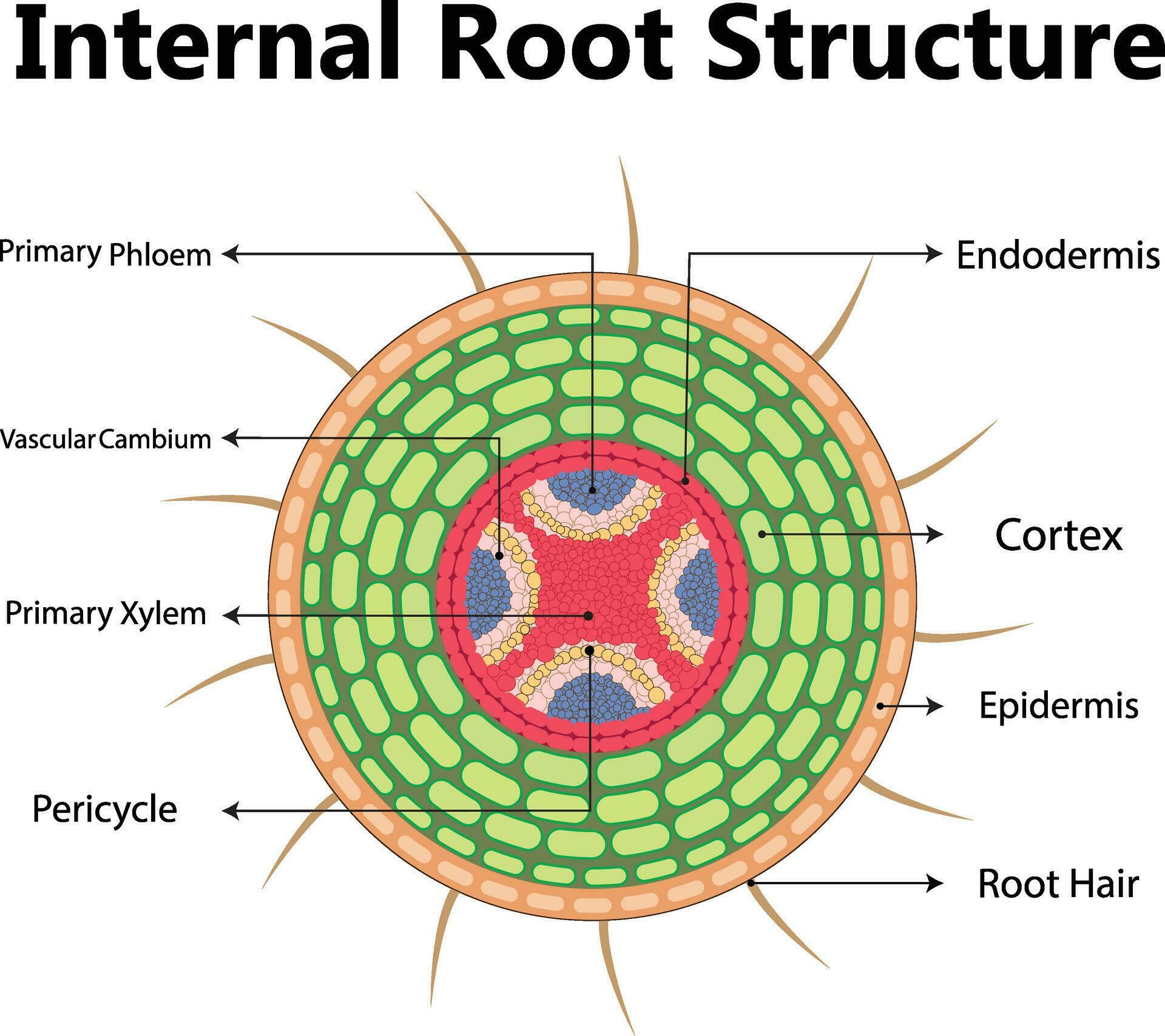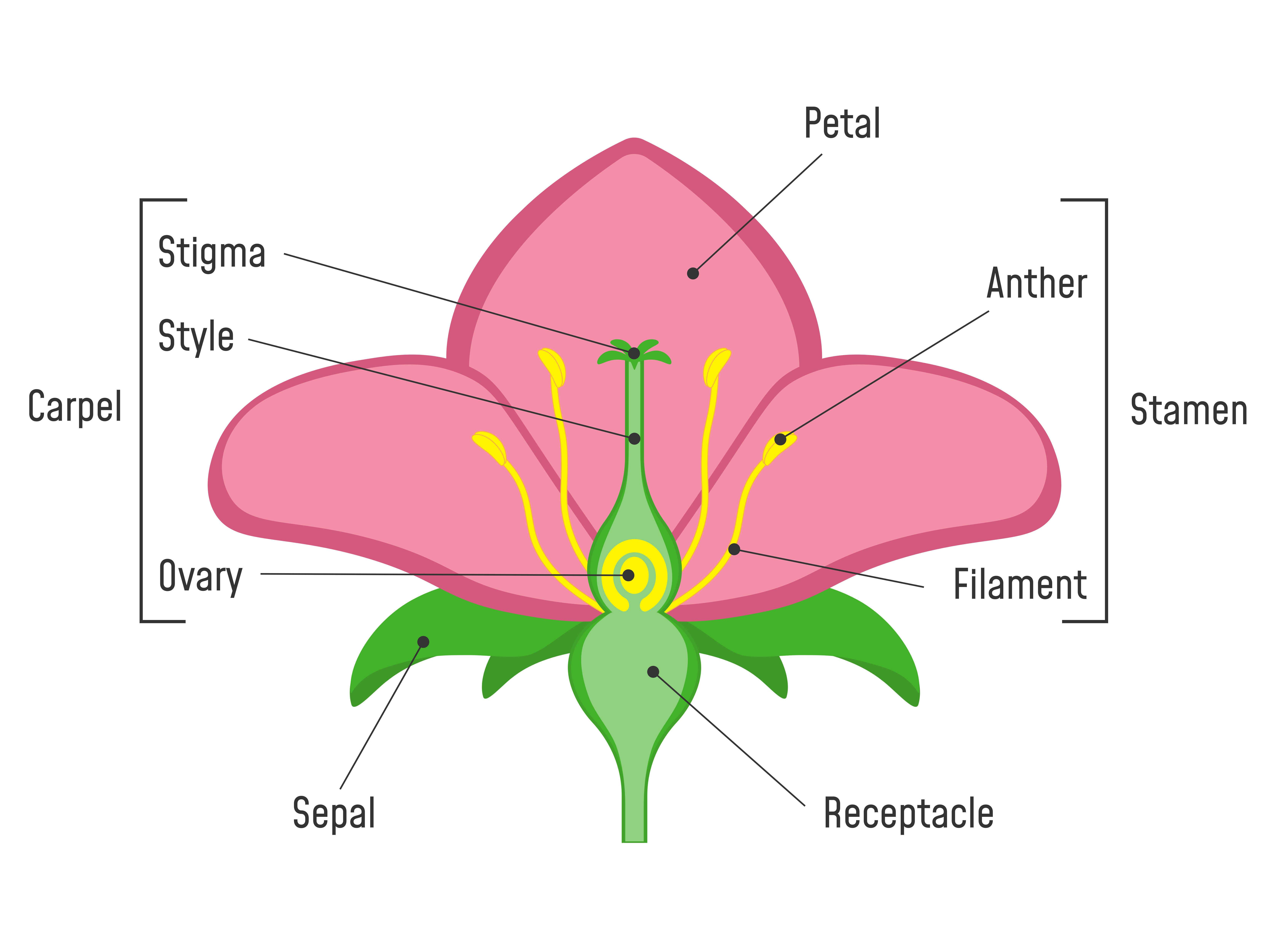
Sometimes, when you're trying to understand a plant's structure or learn about its parts, a simple label a plant diagram can be a lifesaver. These diagrams offer a quick and easy way to visualize and learn, which is especially handy when you don't want to get lost in a sea of text. With a labeled plant diagram, you get a clear picture and can easily identify the different components. It's a great reference tool, and Diagrams of Energy Free 18 Clip Art Set offers some useful resources for this purpose.
Labeled flower diagram with parts.

A Visual Guide to Plant Anatomy
Label a plant diagram is an incredibly useful tool for anyone interested in botany, whether you're a student, a teacher, or a nature enthusiast. It provides a comprehensive visual representation of a plant's structure, offering a clear and concise overview of its various parts and their functions. This type of diagram is especially beneficial for those who prefer a visual learning approach, as it simplifies complex botanical concepts into an easy-to-understand format.

Labeled and colored plant cell.
Exploring Different Variations
While the basic label a plant diagram covers the fundamental parts, such as the roots, stem, leaves, and flowers, there are also more detailed variations available. These diagrams can delve deeper into specific aspects, providing a closer look at the intricate details of a plant's anatomy. For instance, a diagram focusing on leaf shape and growth patterns might showcase the different types of leaves, their venation patterns, and how they contribute to the overall growth and survival of the plant. Similarly, a diagram centered around the root system could illustrate the various root types, their functions, and how they anchor and nourish the plant.
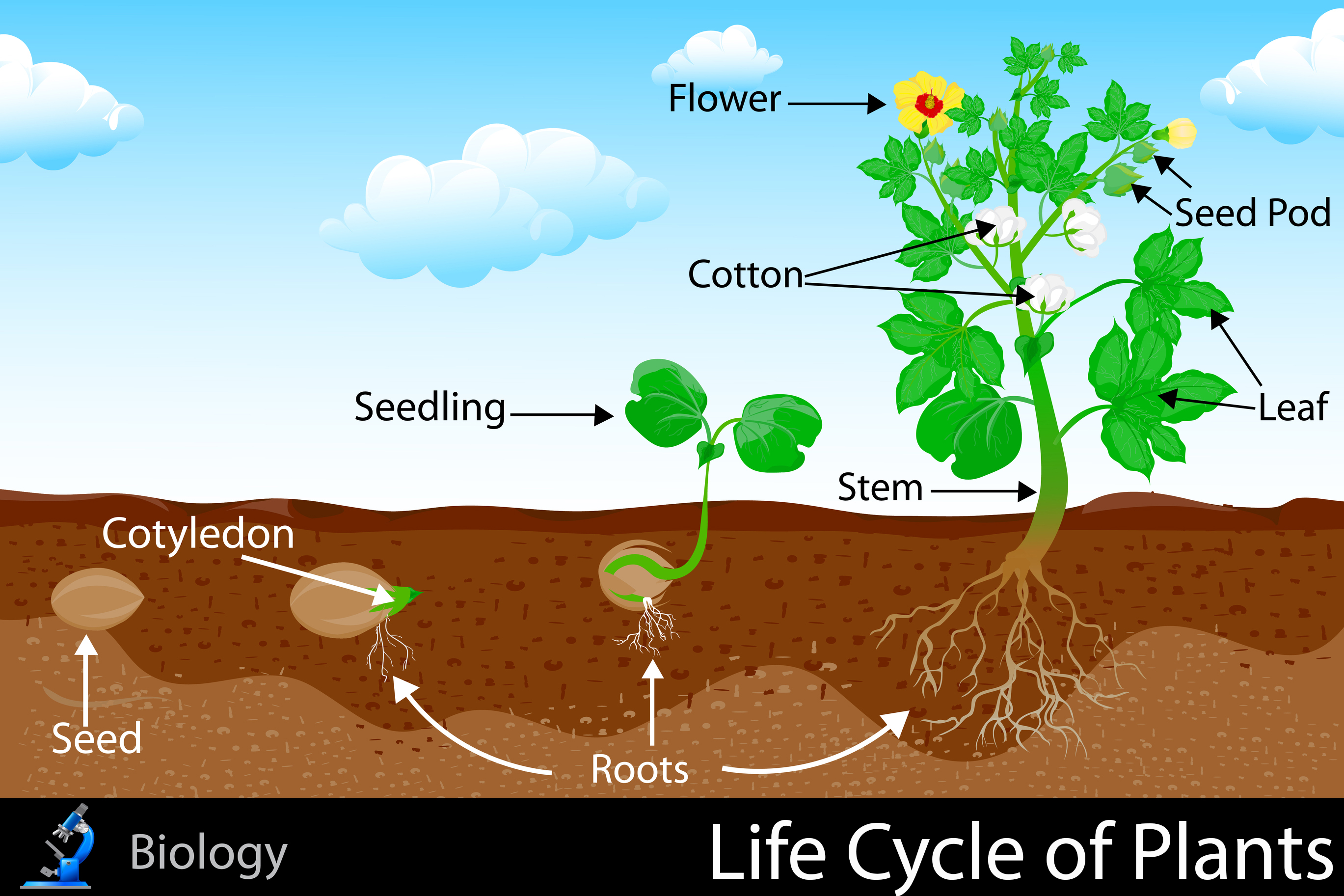
Plant growth stages: a visual guide.
People Also Ask: What's the Best Way to Use These Diagrams?
A common question arises regarding the practical application of label a plant diagram. These diagrams are versatile and can be utilized in various educational and professional settings. Teachers can incorporate them into lesson plans, providing students with a visual aid to supplement their learning. Students, on the other hand, can use these diagrams as a study tool, helping them memorize and understand the different parts of a plant. Additionally, researchers and botanists might find these diagrams beneficial when preparing presentations or reports, offering a quick reference for their audience.

Ignore.
How Can I Incorporate These Diagrams into My Studies?
If you're a student or an enthusiast looking to enhance your botanical knowledge, label a plant diagram can be a valuable addition to your study resources. You can start by printing out a basic diagram and using it as a template to label the different parts yourself. This hands-on approach not only reinforces your understanding but also allows you to personalize your learning experience. For more advanced studies, consider exploring diagrams with additional details, such as plant anatomy and cell types, which provide a deeper insight into the complex world of botany.

Stem structure: a detailed diagram.
Real-World Applications: From Classrooms to Research Labs
The beauty of label a plant diagram lies in its versatility and accessibility. In a classroom setting, teachers can use these diagrams to engage students in interactive learning, making botany an exciting and memorable subject. For researchers and professionals, these diagrams serve as a quick reference, aiding in the identification and understanding of plant structures. Moreover, they can be a valuable resource for creating educational materials, ensuring accurate and visually appealing content. Whether you're a beginner or an expert, label a plant diagram offers a practical and effective way to explore and understand the fascinating world of plants.
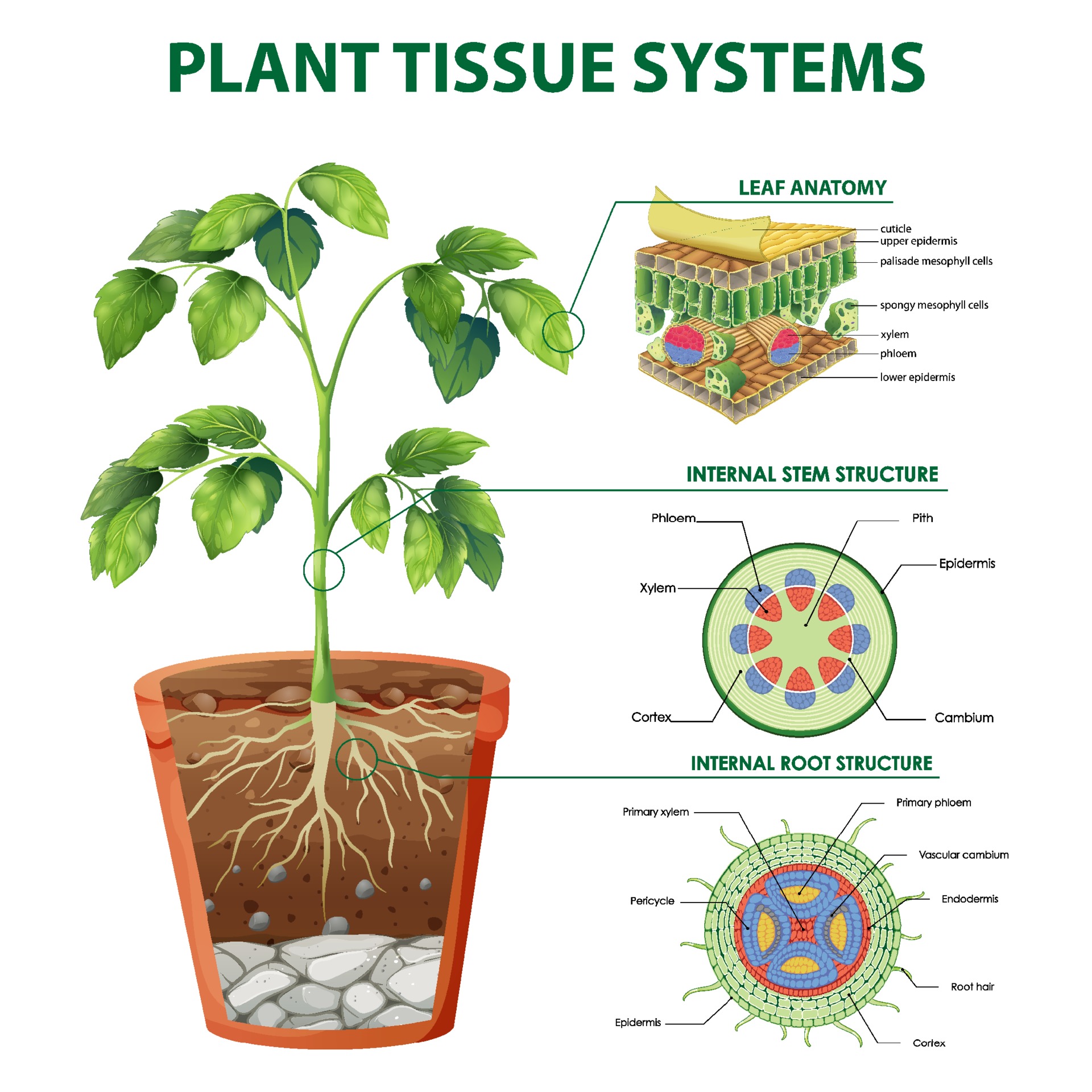
Vascular tissue definition: a simple guide.
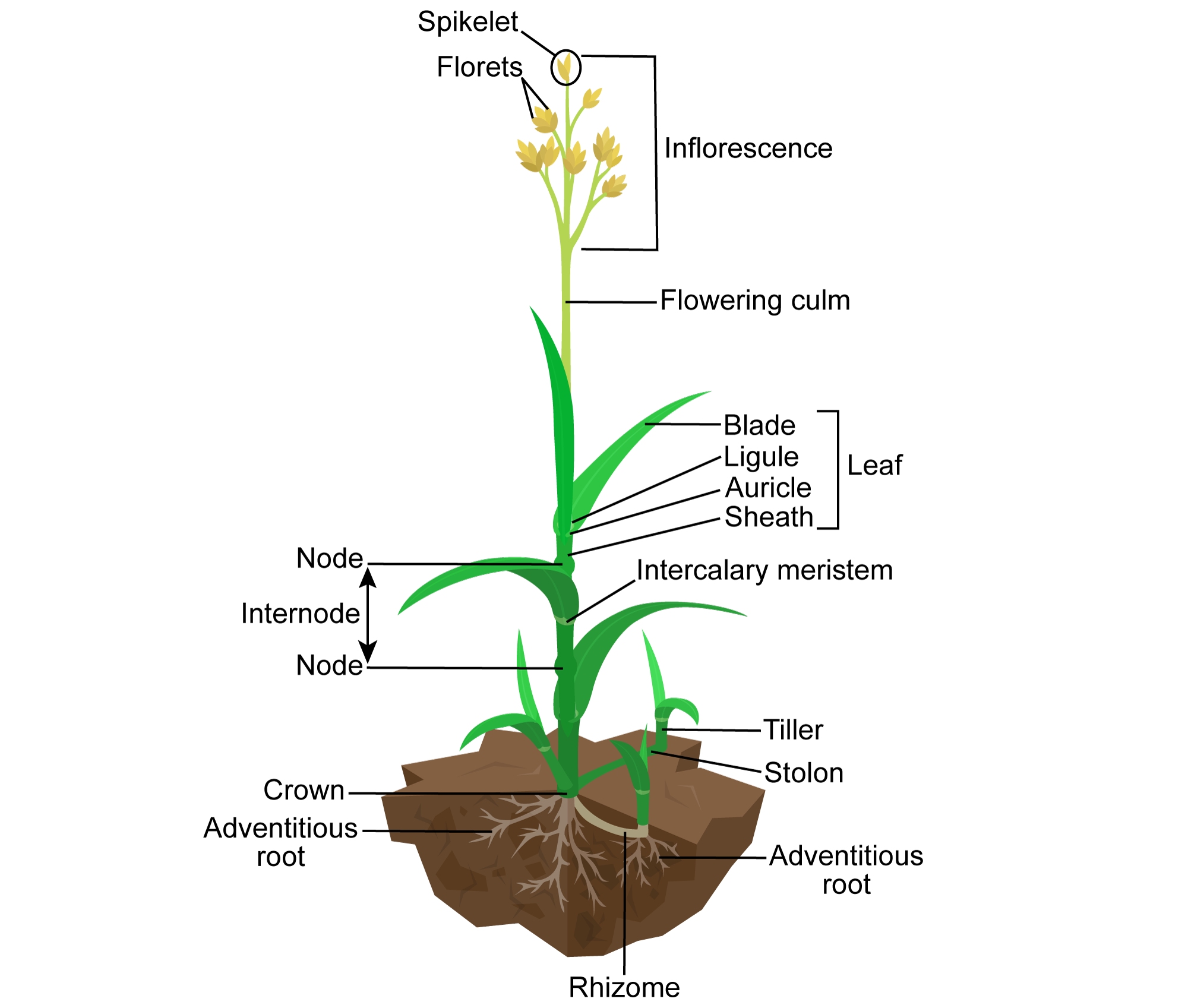
Grass anatomy and morphology chart.
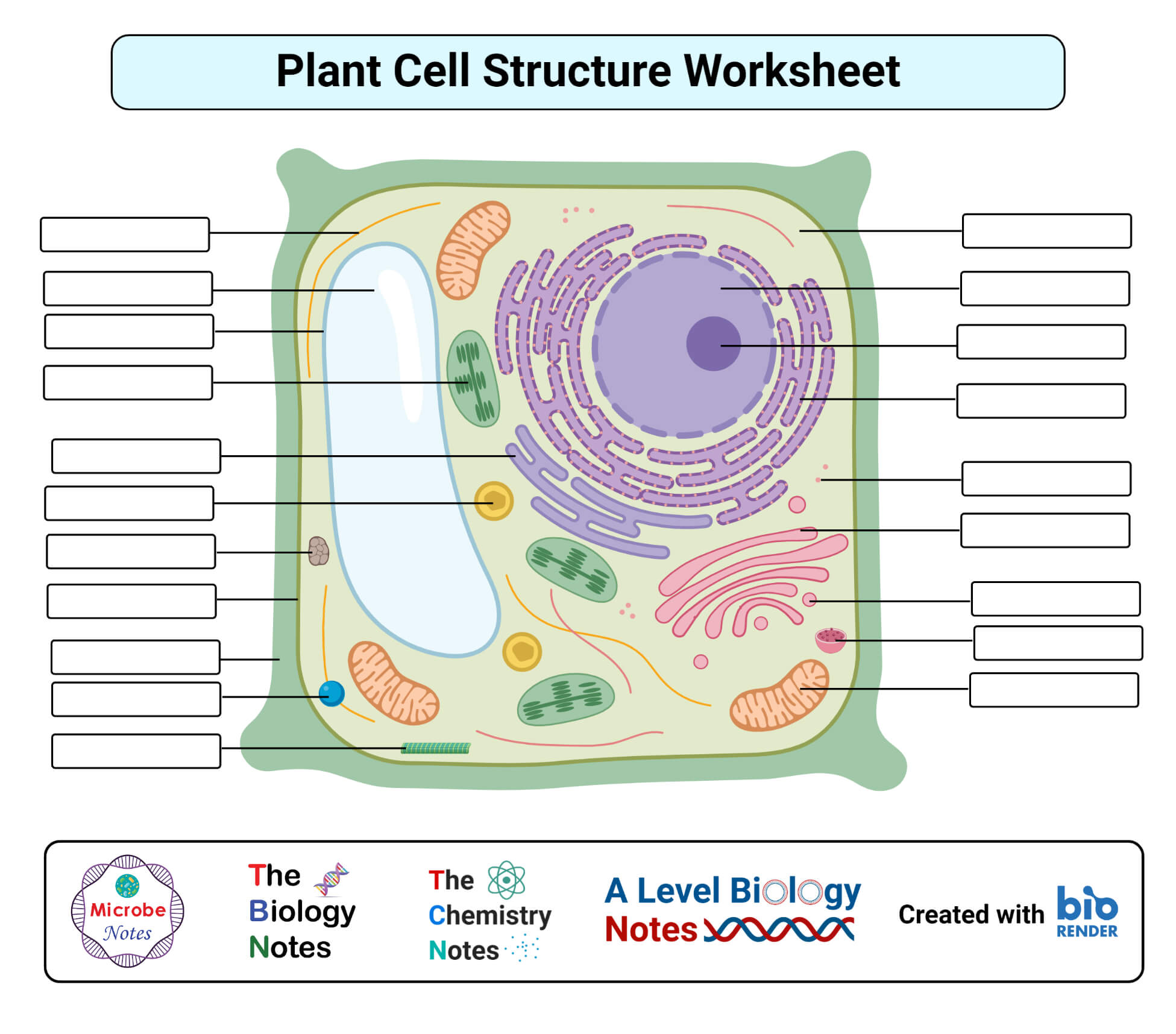
Plant cell: labeled parts and functions.
Hey there, plant lovers! I hope this visual guide has inspired your green thumb and sparked an interest in exploring plant anatomy further.
These diagrams are a fantastic way to learn and understand the intricate details of plants, and I encourage you to save and refer to them often. It's a great resource to have on hand, whether you're studying for an exam or simply wanting to deepen your knowledge of botany.
So, give it a look and see if it helps. Leave a comment or share your experience below; I'd love to hear how these diagrams have assisted your botanical journey!
Plant anatomy: internal structure view.