Sometimes, when you're trying to understand a complex concept, a simple visual aid can make all the difference. That's why I often turn to Lewis diagram Hocl and other similar diagrams; they're like a quick reference guide, helping me grasp the structure and relationships at a glance. It's especially useful for those tricky topics like hclo4 lewis structure. Having a clear diagram can save you from endless note-taking and make learning so much more efficient. It's like having a secret weapon, and I bet many students and professionals out there can relate!
Visualizing Hypochlorous Acid's Lewis Structure

Read also:
A Visual Guide to Chemical Bonding: Unraveling the Lewis Diagram Hocl
Understanding the Basics: A Visual Journey into HClO Bonding
The Lewis diagram Hocl is a powerful tool that simplifies the complex world of chemical bonding. At its core, this diagram represents the molecular structure of HClO, a compound with unique bonding characteristics. By visualizing the arrangement of atoms and electrons, the diagram offers a clear understanding of how hydrogen, chlorine, and oxygen come together to form this compound.
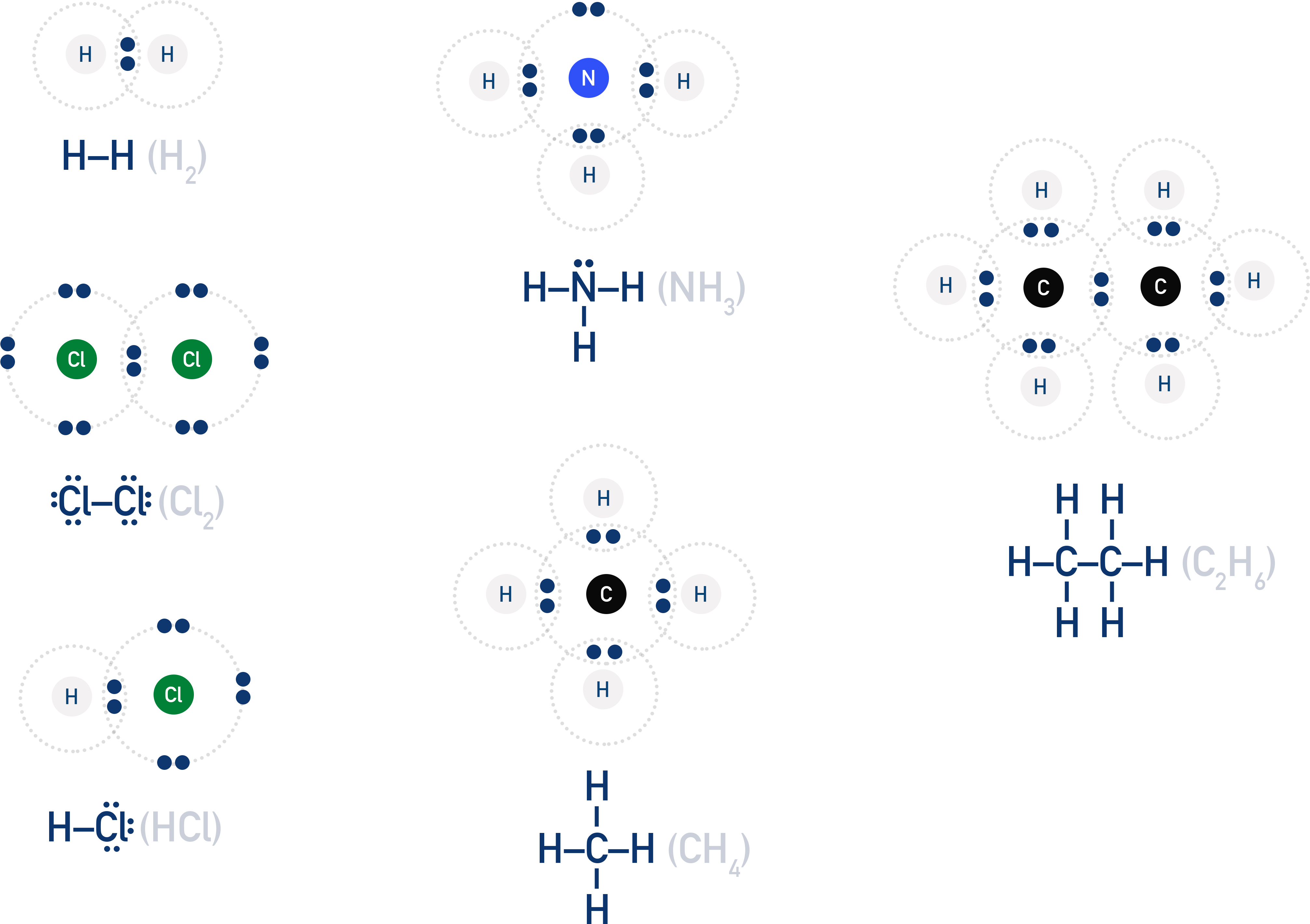
Draw H's Lewis Structure Step-by-Step
Exploring Variations: HClO and Beyond
While the Lewis diagram Hocl primarily focuses on the HClO compound, it is part of a broader family of diagrams that represent various chemical structures. These diagrams, often referred to as Lewis dot structures or electron dot diagrams, can be tailored to illustrate a wide range of compounds. For instance, a similar diagram could be created for HCl, showcasing the bonding between hydrogen and chlorine, or for more complex molecules like HClO4, which has additional oxygen atoms.

Sodium Hypochlorite's Chemical Composition
People Also Ask: What's the Difference Between a Lewis Diagram and a Dot Structure?
A common curiosity arises when comparing Lewis diagrams and dot structures. While both serve as visual representations of chemical bonding, they differ in their level of detail. Lewis diagrams provide a more comprehensive view, showing not just the arrangement of atoms but also the distribution of electrons. On the other hand, dot structures focus primarily on the placement of valence electrons, often represented as dots around the atomic symbols.
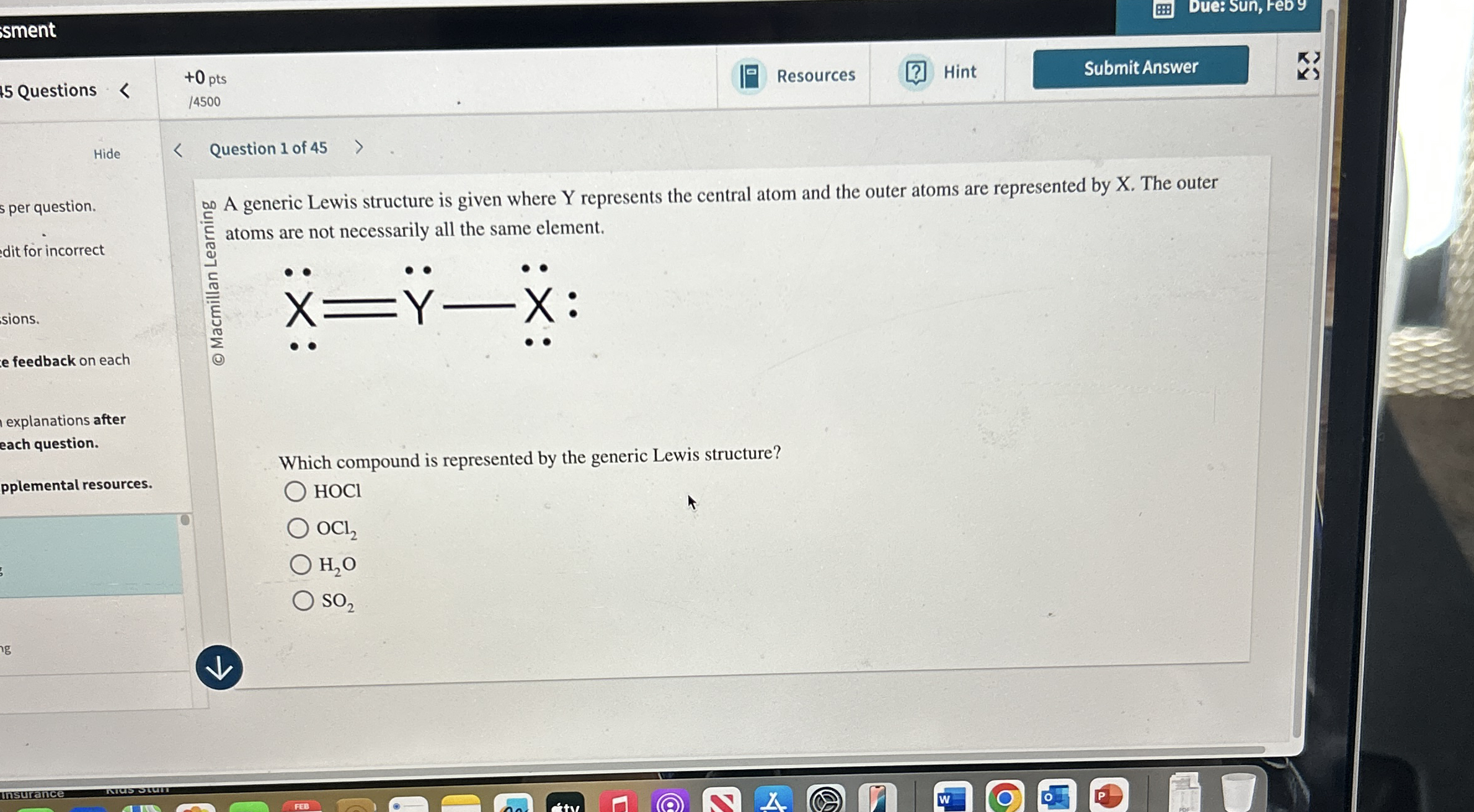
Chegg's Hypochlorous Acid Quiz
How to Use and Print the Lewis Diagram Hocl
Using and printing the Lewis diagram Hocl is a straightforward process. For classroom teaching or personal study, you can simply access online resources or textbooks that provide these diagrams. Many websites offer printable versions, allowing you to have a physical copy for reference. Additionally, creating your own Lewis diagrams can be a valuable learning exercise, helping you understand the principles of chemical bonding.
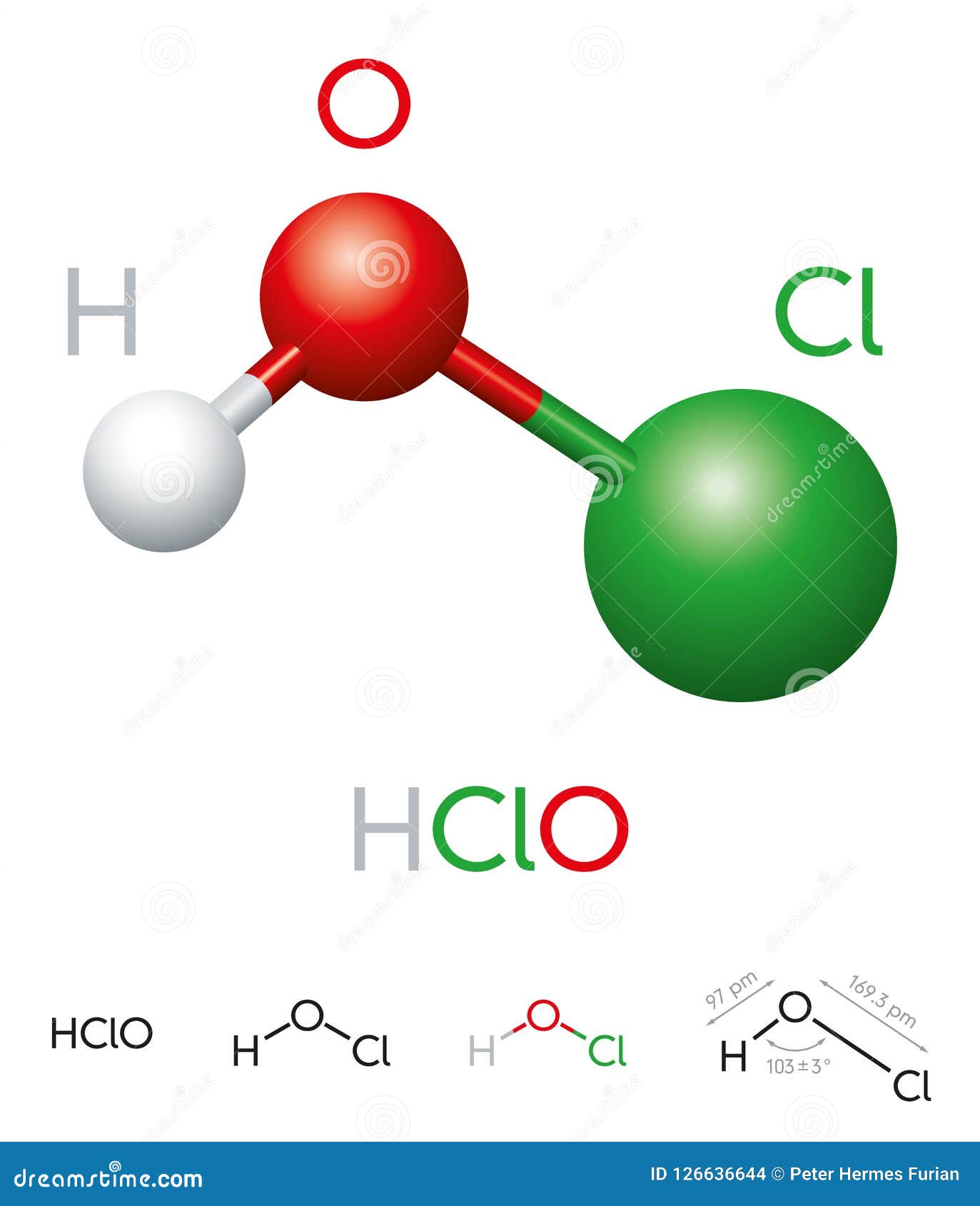
3D Model of Hypochlorous Acid Molecule
Real-World Applications: From Classrooms to Research Labs
The practical value of the Lewis diagram Hocl extends beyond the classroom. In research labs and professional settings, these diagrams serve as a quick reference, aiding in the understanding of complex chemical reactions and structures. They provide a visual framework for scientists and chemists, facilitating communication and collaboration. Moreover, in educational contexts, Lewis diagrams are invaluable for teaching students about chemical bonding, offering a clear and engaging way to grasp abstract concepts.
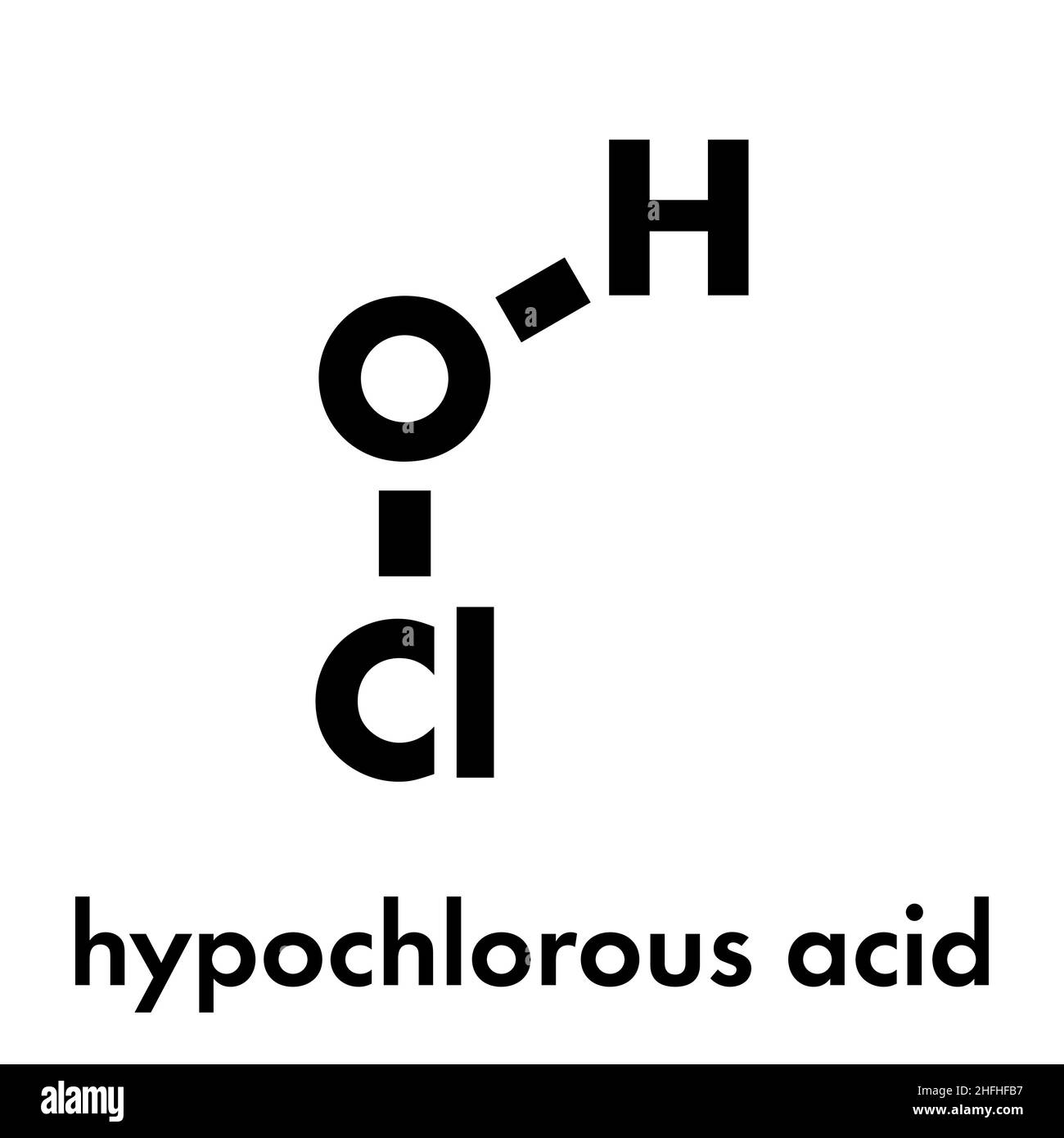
Comparing Hocl and Hclo Structures
Venn Diagram Blank 13 Free Printable Templates

All About Hocl and Hclo
The Lewis diagram Hocl is a versatile tool, applicable to various chemical compounds and educational levels. Whether you're a student, teacher, or professional, understanding the fundamentals of chemical bonding is made easier with this visual aid.
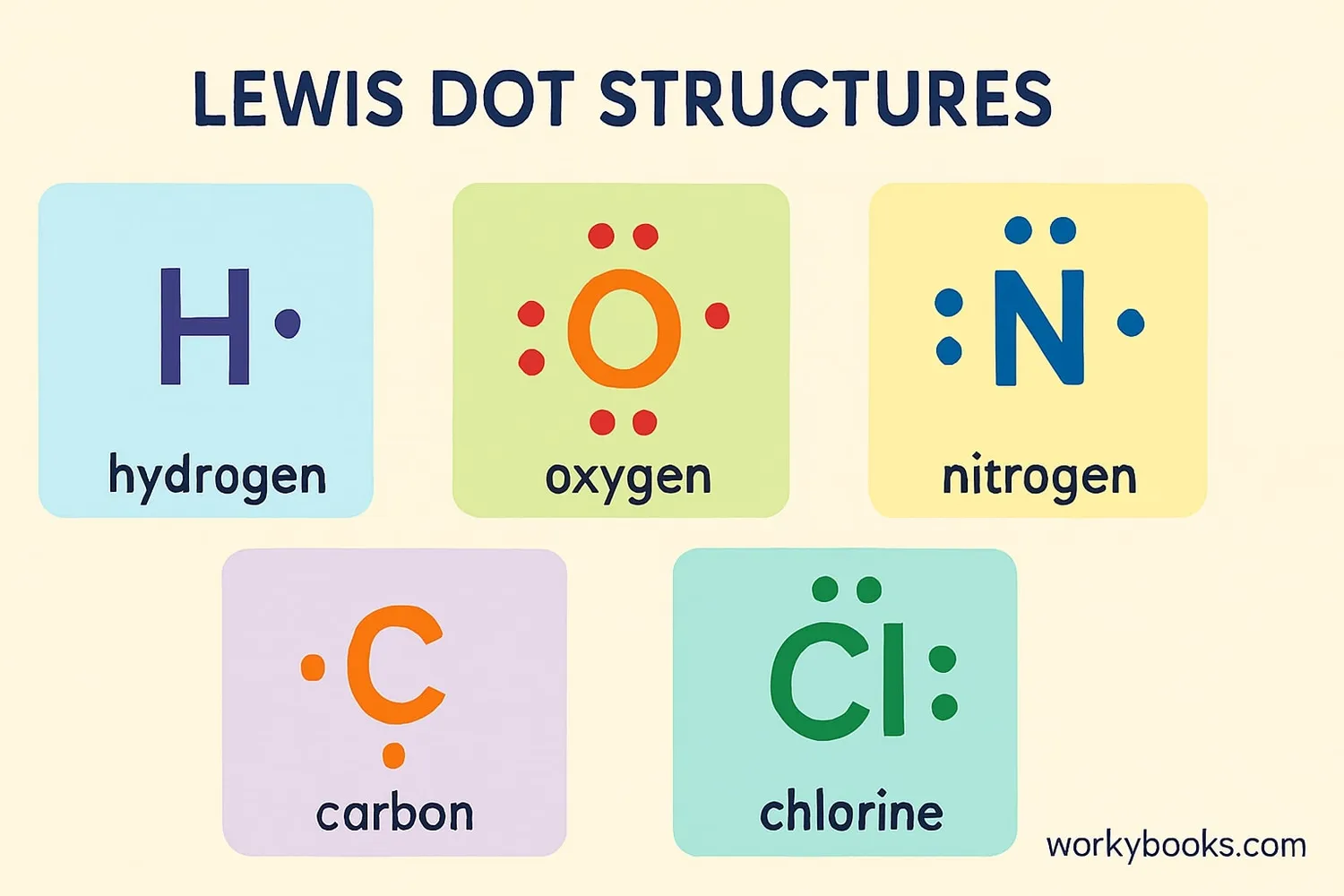
Lewis Dot Structures for Chemistry Students
So, there you have it! The Lewis diagram Hocl reveals the beauty of HClO's molecular structure. It's a great visual tool to grasp the unique bonding of this compound.
Why not give it a look and see if it helps you understand chemical bonding better? Visualizing these diagrams can be a fun and effective way to learn. Feel free to leave a comment or share your experience below; I'd love to hear how you're using these diagrams to explore the fascinating world of chemistry!
Honeydew's Guide to Hypochlorous Acid