Sometimes, when you're trying to understand a complex topic like the differences between plant and animal cells, a simple visual aid can make all the difference. That's where the plant and animal cell venn diagram comes in handy! It's a practical tool that offers a quick glimpse into the similarities and unique features of these cells, which can be a real time-saver for students and teachers alike. This diagram is like having a secret weapon to simplify a tricky concept, and it's a great reference for anyone studying or teaching biology.
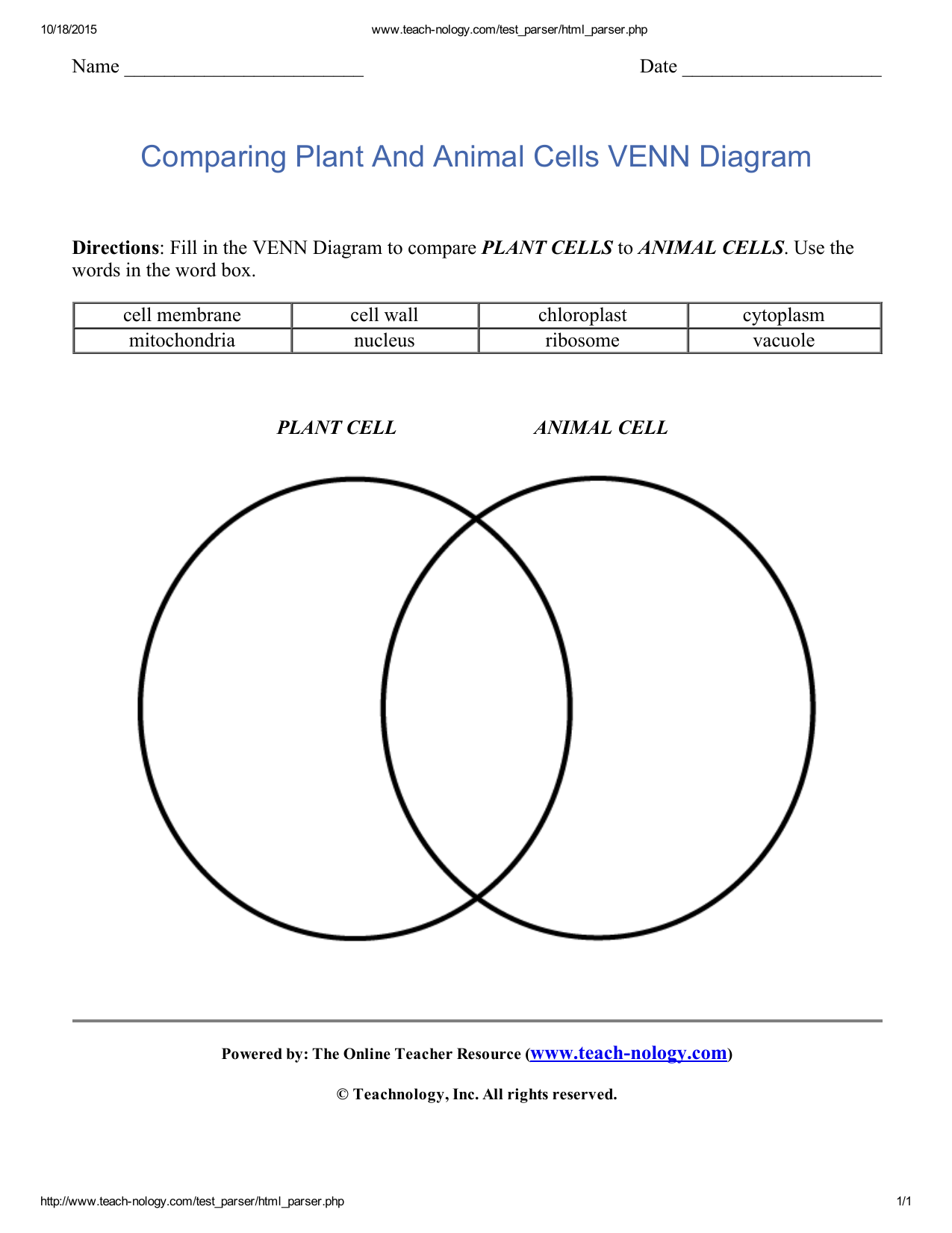
Visual comparison of plant and animal cells.

Read also:
A Visual Comparison: Unveiling the Secrets of Plant and Animal Cells
The plant and animal cell venn diagram is a powerful tool that offers a unique perspective on the world of cells. By overlaying the structures of plant and animal cells, this diagram highlights their similarities and unique features, providing a comprehensive overview that is both informative and visually appealing.

Venn diagram: plant and animal cells.
Beyond the Basics: Exploring Organelle Overlaps
While the standard plant and animal cell venn diagram focuses on the broad similarities and differences, there are variations that delve deeper into specific organelles and their functions. These detailed diagrams often include a central area where organelles shared by both cell types are displayed, with distinct sections for plant-specific and animal-specific organelles branching out. This level of detail is particularly useful for advanced students and researchers who want to explore the intricate relationships between cell components.

Worksheet: cell comparison guide.
People Also Ask: What Makes Plant and Animal Cells Unique?
A common curiosity when studying cells is understanding what sets plant and animal cells apart. The plant and animal cell venn diagram is an excellent resource to address this question. By visually separating the unique features of each cell type, it becomes evident that plant cells, for example, have cell walls and chloroplasts, which are absent in animal cells. On the other hand, animal cells possess specialized organelles like lysosomes and centrioles, which are not found in plant cells. This diagram provides a quick and easy way to grasp these fundamental differences.
Contrasting plant and animal cells.
How to Utilize the Diagram: A Practical Guide
For students and teachers, the plant and animal cell venn diagram can be a versatile tool. It can be used as a study aid, helping students quickly review the key similarities and differences between plant and animal cells. Teachers can incorporate the diagram into lesson plans, using it as a visual anchor to introduce or reinforce concepts. The diagram is also ideal for creating engaging presentations, as its clear structure and visual appeal can capture students' attention and aid in knowledge retention.
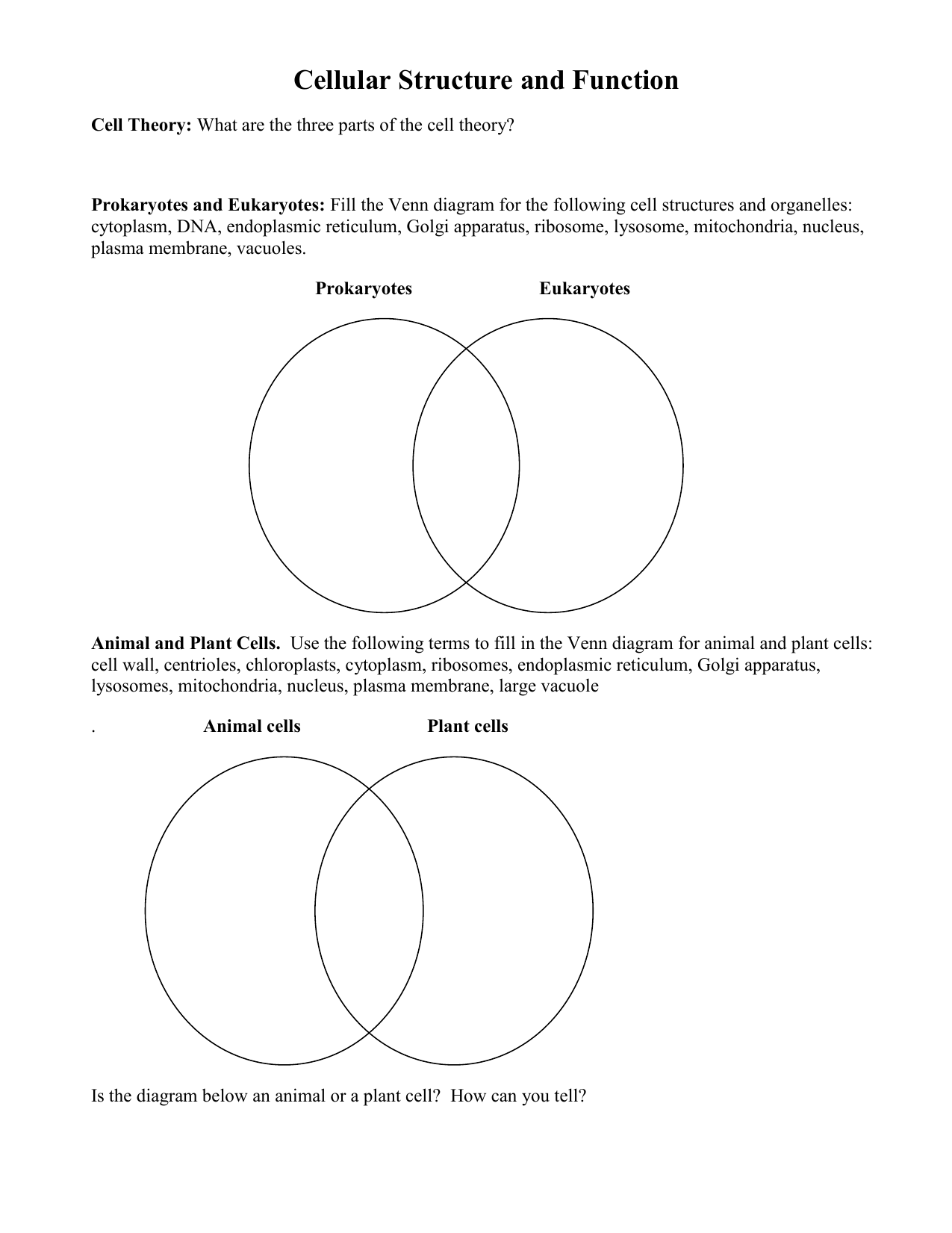
Venn diagram: cell types.
Real-World Applications: A Diagram's Impact
The plant and animal cell venn diagram is not just a theoretical tool; it has practical applications in various fields. In biology classrooms, it simplifies complex concepts, making them more accessible to students. Beyond education, professionals in fields like botany, zoology, and even medicine can benefit from a quick reference to the similarities and differences between plant and animal cells. This diagram serves as a reminder of the fundamental building blocks of life and the unique adaptations that have evolved in different organisms.

Plant and animal cell differences.
As a visual aid, the plant and animal cell venn diagram offers a unique and effective way to understand the complex world of cells. Its ability to highlight similarities and unique features makes it a valuable resource for students, teachers, and professionals alike. With its simple yet informative design, this diagram is a true asset in the study of biology.
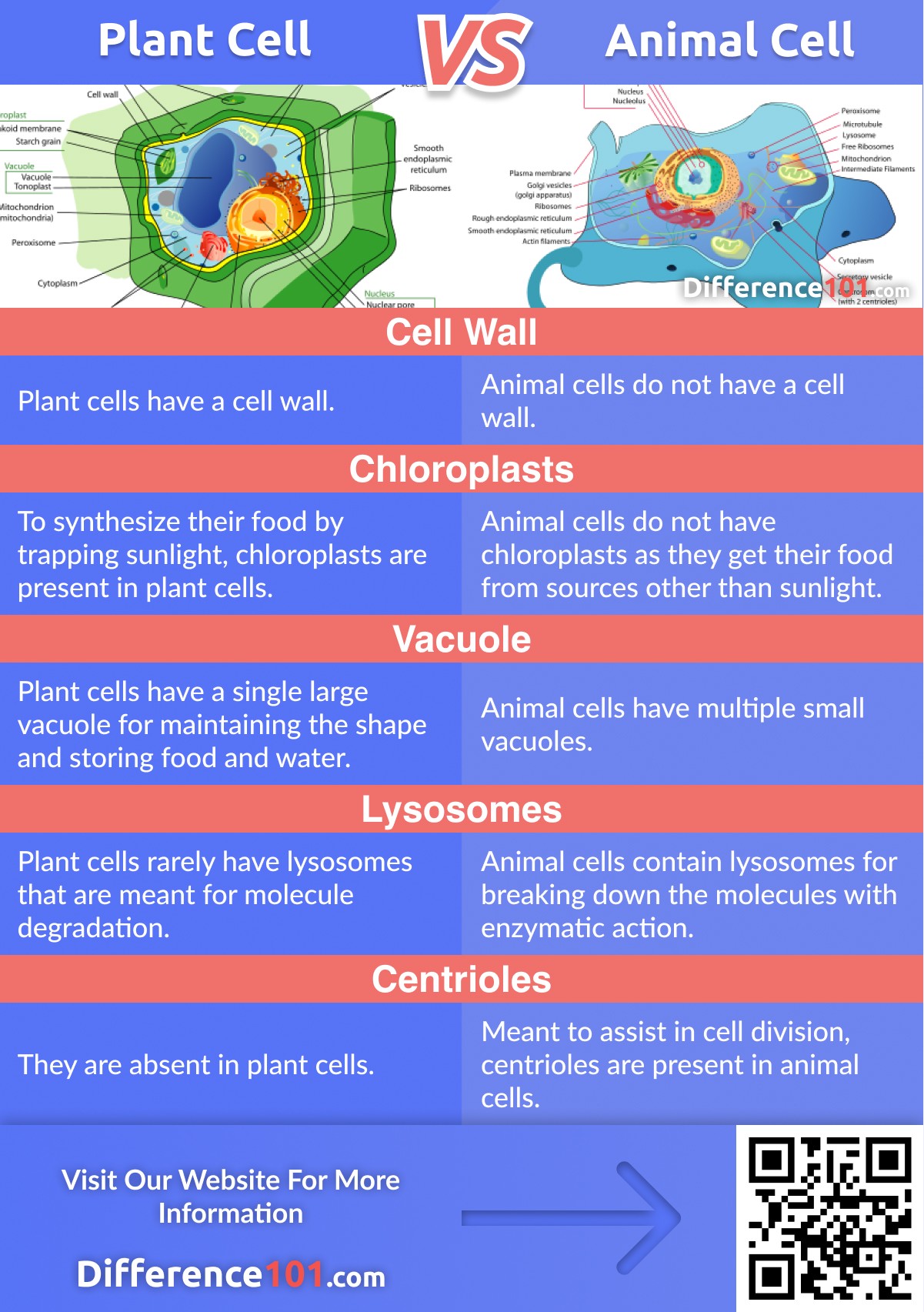
Key distinctions: plant vs. animal cells.

Visual guide to cell types.
Hey there, fellow cell enthusiasts! I hope this visual exploration has sparked some curiosity and understanding of plant and animal cells. The venn diagram really brings their world to life, doesn't it? It's a great way to visualize the similarities and differences, and I think it's a super helpful tool for anyone interested in biology.
So, why not give it a look and see if it helps? It might just be the key to unlocking a deeper appreciation for the fascinating world of cells. Leave a comment or share your experience below - I'd love to hear how this diagram has helped you or if you have any other cool resources to recommend!
Coloring activity: cell structures.